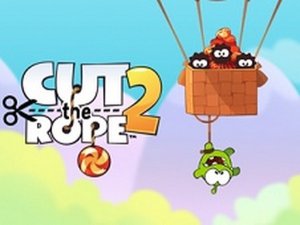
Puzzle Mechanics at a Glance
String Snip Logic Challenge presents a straightforward objective: get the candy to the character's mouth. The challenge lies in the arrangement of ropes, which can be cut or moved in a specific order. Players must observe how each rope supports or blocks the candy's path. The game rewards patience and careful observation over speed, making it accessible to newcomers while still offering depth for experienced puzzle fans.
Level Design and Difficulty Curve
Early levels introduce basic rope configurations with few obstacles, allowing players to learn the core interaction. As progress continues, levels incorporate additional elements such as stars positioned along the candy's trajectory and barriers that redirect its fall. The difficulty increases gradually, ensuring that each new puzzle feels like a natural step forward. Players who get stuck can rewind and try alternative sequences without penalty, encouraging experimentation.
Visual Style and User Interface
The game uses bright, clean graphics with a cheerful color palette. The main character is designed with simple, expressive animations that react to success or failure. The interface is minimal, with clear buttons for restarting or rewinding a level. This uncluttered design helps players focus on the puzzle itself, reducing distractions. The visual feedback is immediate, making it easy to understand the consequences of each action.
Platform and Accessibility
String Snip Logic Challenge is built for touchscreens, with controls that respond to taps and drags. It works equally well on phones and tablets, and the layout adjusts to different screen sizes. The game does not require an internet connection after initial load, making it a good choice for offline play. There are no timers or pressure mechanics, so players can solve puzzles at their own pace.
Strategic Thinking and Replay Value
Collecting all stars on each level adds a layer of strategy. Players must plan the order of rope interactions to guide the candy through every star before it reaches the goal. This encourages multiple attempts on the same level, as finding the optimal sequence can be satisfying. The game does not punish mistakes, allowing players to refine their approach without frustration.