Puzzle Mechanics and Interaction
At its heart, this game revolves around environmental manipulation. Players tap or click on various objects placed within each scene—such as wooden ramps, movable blocks, and rotating levers—to alter the terrain and create a clear path for oranges to reach the panda. The interactions are intuitive, allowing players to experiment freely without complex controls. Success depends on understanding how each element affects the orange's trajectory, encouraging trial-and-error learning that feels rewarding rather than frustrating.
Level Progression and Difficulty Curve
The game presents a series of puzzles that gradually introduce new obstacles and mechanics. Early levels focus on basic ramp placement and simple block movements, while later stages combine multiple elements requiring sequential actions. Some puzzles may impose a move limit, prompting players to plan their steps efficiently. This steady increase in complexity keeps the experience engaging without overwhelming newcomers, making it suitable for both children and adults who enjoy thoughtful challenges.
Visual Style and Atmosphere
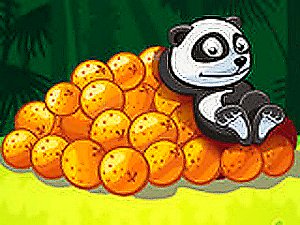
The art direction emphasizes soft colors and friendly character designs. The panda is depicted with round features and expressive animations that react to each successful delivery of an orange. Backgrounds are simple but pleasant, avoiding visual clutter so players can focus on the puzzle at hand. The overall aesthetic creates a calm, inviting environment that complements the gentle problem-solving gameplay.
Support Systems for Players
For moments when a solution proves elusive, the game may offer optional hints that provide subtle guidance without revealing the entire answer. This design choice preserves the satisfaction of independent discovery while preventing prolonged frustration. Additionally, the lack of time pressure means players can take as long as they need to observe and strategize, making the experience accessible to those who prefer a relaxed pace.