Course Design and Obstacles
Each track in Cycle Stunt Challenge presents a unique arrangement of ramps, loops, and barriers. The courses are built to test your ability to maintain momentum while adjusting your angle on steep inclines. Early tracks introduce simple jumps, while later ones combine multiple loops with tight turns. The layout encourages you to find the ideal speed for each section, as going too fast or too slow can lead to a fall. This design keeps the focus on learning the rhythm of each course.
Bike Customization and Upgrades
Coins collected during runs can be spent on improving your bicycle. Options include better tires for improved grip on slick surfaces and a stronger frame to withstand harder landings. These upgrades are not required to finish early tracks, but they become increasingly helpful as the courses demand more precise control. The upgrade system gives you a clear goal to work toward without forcing a specific path.
Progression and Difficulty Curve
The game gradually increases the complexity of its tracks. Early courses serve as a tutorial for basic controls and obstacle navigation. Later stages introduce longer loops, tighter barriers, and sequences that require quick adjustments. This steady climb in difficulty means you can build your skills naturally. Each successful run feels earned, and failures provide clear feedback on what went wrong.
Visual Style and Feedback
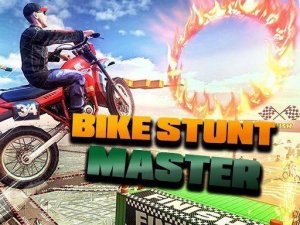
The graphics use bright colors and clear visual cues to help you read the track ahead. Ramps are marked with arrows, and loops have distinct shapes that signal upcoming turns. The bike's movement is smooth, and the camera angle stays focused on the action. This clarity reduces confusion and lets you concentrate on timing your moves. The visual design supports the gameplay without being distracting.