Terrain & Track Design
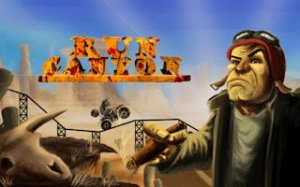
Desert Ridge ATV Trail Runner places players inside a sprawling canyon landscape filled with narrow ledges, sudden drop-offs, and rocky sections that demand constant attention. Unlike traditional racing games that focus purely on speed, this title asks drivers to read the ground ahead and adjust their approach. The environment shifts between wide-open stretches where you can open the throttle and tight passages where precision steering becomes essential. Each course introduces new combinations of slopes and turns, keeping the driving experience fresh across multiple play sessions.
Vehicle Handling & Selection
The game offers a small garage of quad bikes, each with distinct handling characteristics. Some vehicles feel nimble on tight corners, while others provide better stability on loose gravel. As you complete courses, additional bikes become available, giving you reasons to revisit earlier tracks with different equipment. The controls are straightforward—accelerate, brake, and steer—but mastering the timing of each input separates casual drivers from those who can chain together smooth runs through the most difficult sections.
Route Planning & Decision Making
A key element of Desert Ridge ATV Trail Runner is the need to choose your path through each stage. The canyon does not always offer a single obvious line. Sometimes a higher route avoids a tricky rock garden but adds extra distance. Another path might cut time but requires a risky jump over a gap. This puzzle-like layer encourages players to experiment and learn from mistakes. Over time, you develop a mental map of each course and learn where to push hard and where to ease off.
Progression & Unlock System
Completing stages earns points that contribute toward unlocking new vehicles and accessing more demanding terrain. The difficulty curve ramps up gradually, introducing tighter spaces and steeper gradients as you advance. There is no penalty for retrying a stage, which supports a trial-and-error approach to learning the optimal line. The game rewards persistence and observation rather than raw speed, making it accessible to players who prefer thoughtful play over twitch reflexes.
Visual Style & Performance
The canyon environment uses a clean, colorful art style that clearly communicates terrain hazards without visual clutter. Shadows and lighting shift as you descend into deeper parts of the canyon, adding atmosphere without distracting from the driving. The game runs smoothly on most devices, with responsive controls that minimize input lag. This technical stability ensures that every crash or successful run feels fair and connected to your actions.