Core Gameplay Loop
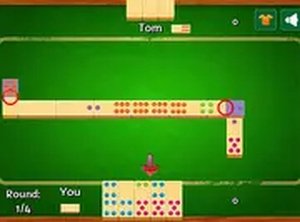
Each round begins with a set of tiles distributed between you and the computer. The board shows a starting tile, and you take turns placing tiles that share a matching number with an open end. When you cannot place a tile, you draw from the reserve pile, adding an element of chance. The goal is to be the first to empty your hand. This simple rule set creates a satisfying rhythm of planning and reacting.
Opponent Behavior & Challenge
The computer opponent evaluates the board and your remaining tiles to make strategic placements. It aims to limit your options while advancing its own position. New players will find the AI forgiving enough to learn the basics, while experienced players will face a consistent challenge that rewards careful planning. The difficulty curve feels natural, letting you improve without frustration.
Visual Design & Interface
The board uses a clean layout with clearly numbered tiles and a visible chain. Controls are responsive whether you use a mouse or touch screen. A full-screen mode removes distractions, and the interface scales well on mobile devices. The design prioritizes clarity, so you can focus on the logic of each move rather than deciphering the interface.
Session Flexibility
Rounds typically last between five and fifteen minutes, making this a good choice for short breaks or longer play sessions. The game saves your progress automatically, so you can pause and resume without losing your place. This flexibility suits players who want a quick mental break or a more extended strategic session.
Learning Curve & Replayability
New players can grasp the rules within a few rounds. The combination of tile distribution and opponent behavior ensures that no two games play out identically. Over time, you develop a sense for which tiles to hold and when to force the computer to draw. This gradual mastery keeps the experience fresh across many sessions.